
Home › Models › BYD Dolphin Surf › Repair › Brakes
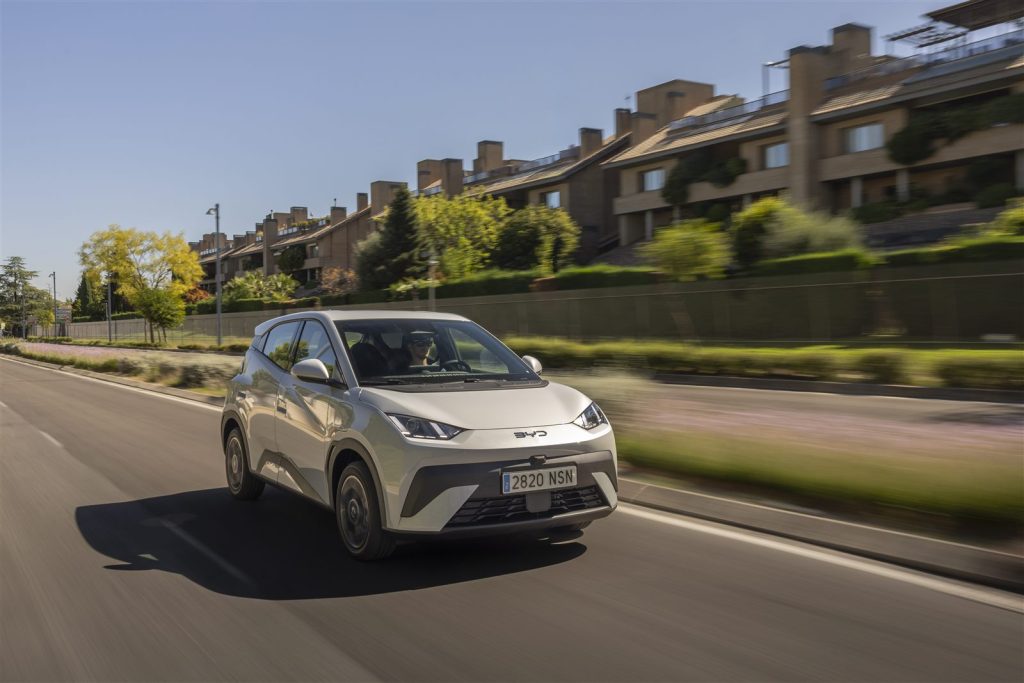
The braking system on the BYD Dolphin Surf is crucial for vehicle safety. This fully electric model utilises a combination of traditional friction brakes (front ventilated discs and rear solid discs) and regenerative braking provided by the electric motor. This guide explains how the system works and when professional maintenance is required.
Contents
- How the braking system works
- BYD DOLPHIN SURF brake pads repair
- Warning signs and safe checks
- Regenerative braking integration
- Frequently asked questions
- See also
- Sources
How the braking system works
When you press the brake pedal in the Dolphin Surf, the vehicle control unit determines the most efficient way to slow the car down. It prioritises regenerative braking, using the drive motor to harvest energy back into the traction battery. If harder deceleration is required, or if the battery is fully charged, the system seamlessly applies the physical brake pads against the discs. This blended system improves efficiency but means the friction brakes still need regular inspection.
BYD DOLPHIN SURF brake pads repair
Because of regenerative braking, the physical brake pads on an electric vehicle can last longer than on a conventional car. However, they will eventually wear down and require a BYD DOLPHIN SURF brake pads repair (replacement).
Replacing the brake pads and discs is dangerous work and is for an authorised BYD dealer or a qualified workshop. The braking system is integrated with Advanced Driver Assistance Systems (ADAS) such as the Emergency Lane Keeping Assist, Auto Hold, and the Automatic Emergency Braking (AEB) systems. Incorrect installation of braking components can compromise these safety features. BYD’s own procedure applies to the bleeding of the brake fluid and the calibration of the electronic parking brake.
Warning signs and safe checks
As an owner, you can perform safe visual and auditory checks:
- Listen for squealing or grinding noises when applying the brakes.
- Check your owner’s manual to understand the brake warning symbols on the 7-inch digital instrument panel.
If the brake pedal feels spongy, or if the car pulls to one side during braking, confirm with an authorised BYD dealer immediately.
Regenerative braking integration
If you feel that the car is not slowing down as much as expected when lifting off the accelerator, check the touchscreen settings. The level of regenerative braking can be adjusted through the driving modes interface. If the system reports a fault, do not attempt to reset the software yourself; book a professional diagnostic scan.
Frequently asked questions
Can I change the brake pads myself?
No. Working on the braking system is dangerous work. It must be carried out by a professional to ensure the vehicle remains safe and the ADAS systems function correctly.
Why do my brakes sound noisy when I first drive the car?
Surface rust can build up on the front ventilated discs and rear solid discs after rain or washing. This clears after the friction brakes are applied a few times.
Does regenerative braking mean I never need new brake pads?
No. While regenerative braking significantly reduces wear, the physical pads are still used for emergency stops, holding the car on hills (Auto Hold), and final deceleration. They will eventually wear out.
When should the brake fluid be replaced?
Brake fluid absorbs moisture over time, which reduces braking efficiency. Check your owner’s manual for the precise service interval and confirm with an authorised BYD service centre.
See also
- BYD Dolphin Surf repair hub
- BYD Dolphin Surf suspension and tyres repair
- BYD Dolphin Surf reliability and problems
Sources
- BYD UK model information: https://www.byd.com/uk
- BYD UK media site: https://bydukmedia.com
- Owner’s manual for your model – ask your BYD dealer