
Home › Models › BYD Seal › Repair › Battery & Charging
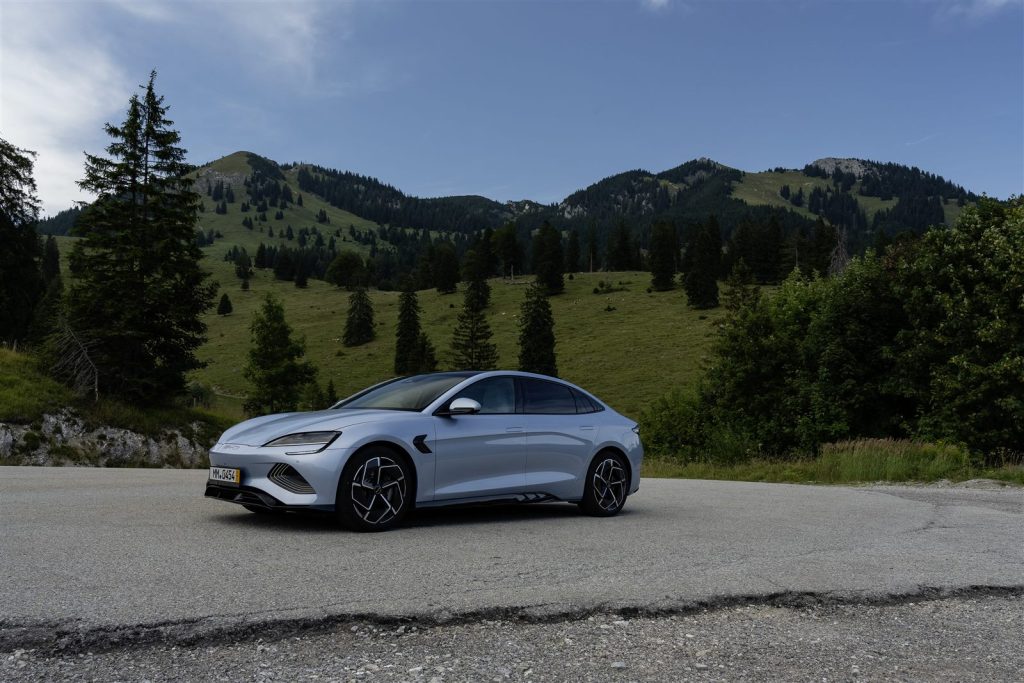
The BYD SEAL is a fully electric D-segment sports saloon, meaning it has no petrol engine and relies entirely on its high-voltage electrical architecture for propulsion. Understanding the systems governing the energy storage and replenishment is key to maintaining the vehicle. This page covers general reference information regarding the BYD SEAL battery repair and BYD SEAL charging port repair procedures.
Because these systems handle high-voltage electricity, they represent a significant safety hazard if mishandled. High-voltage components and orange cables must not be opened by owners. Any diagnostic or repair work on the battery or charging hardware must be performed by a qualified technician. Always check your owner’s manual for daily operating guidelines and confirm with an authorised BYD dealer for service requirements. BYD’s own procedure applies to all high-voltage repairs.
Contents
- Understanding the BYD SEAL battery system
- BYD SEAL battery repair and safety
- The CCS2 charging system
- BYD SEAL charging port repair
- Warranty implications
- Frequently asked questions
- See also
- Sources
Understanding the BYD SEAL battery system
The BYD SEAL is equipped with an 82.5 kWh Blade Battery that utilises Lithium Iron Phosphate (LFP) chemistry. A standout feature of this model is the use of Cell-to-Body (CTB) technology, where the battery is structurally integrated into the vehicle, helping to achieve a torsional stiffness of 40,500 Nm/degree while maintaining a battery pack height of just 110 mm. This integration provides significant structural benefits and lowers the body by 10 mm.
The battery is managed by an advanced Battery Management System (BMS) that monitors state of charge, temperature, and cell balance. The vehicle also features an 8-in-1 electric powertrain that contributes to a platform efficiency of 89%, supported by a heat pump that operates efficiently across a wide temperature range.
BYD SEAL battery repair and safety
Given the structural integration of the CTB architecture, any physical BYD SEAL battery repair is a complex, dealer-only procedure. Owners may notice warning signs that require attention, such as an unexpected drop in range, dashboard error messages regarding the high-voltage system, or the vehicle failing to start.
If any of these signs appear, owners should read the dashboard message and check the owner’s manual for guidance on what the alert means. Under no circumstances should an owner attempt to inspect the high-voltage cables (which are coloured orange) or open the battery casing. To address any battery faults, you must book a diagnostic appointment and confirm with an authorised BYD dealer.
The CCS2 charging system
To replenish the battery, the BYD SEAL uses the industry-standard CCS2 charging port. This port supports both alternating current (AC) and direct current (DC) charging. For home or destination charging, the vehicle features an 11 kW 3-phase onboard AC charger. For rapid charging on the go, the DC system can accept up to a maximum of 150 kW. The vehicle is also capable of Vehicle-to-Load (V2L) power export up to 3 kW, allowing you to power external electrical devices.
BYD SEAL charging port repair
The charging port is exposed to the elements and frequent physical use, which can lead to wear and tear. If you encounter issues such as the charging cable failing to lock into place, charging sessions repeatedly failing to initiate, or physical damage to the port’s pins or flap, you may require a BYD SEAL charging port repair.
As a first step, owners can perform a visual check of the port to ensure there is no debris blocking the connectors. You can also check if the issue persists with a different charging cable or at a different public charging station. If the fault remains, the repair is dealer-only work. The charging port is directly connected to the high-voltage system and repairing it is classified as dangerous work. Confirm with an authorised BYD dealer for a professional inspection.
Warranty implications
The BYD SEAL comes with an 8-year warranty for the battery and electric motor. Attempting unauthorised repairs, using non-approved charging equipment that causes damage, or failing to follow the maintenance schedule can void this warranty. Always ensure that any work is carried out by an authorised service centre where BYD’s own procedure applies.
Frequently asked questions
Can I perform a BYD SEAL battery repair myself?
No. The high-voltage battery and orange cables are dangerous and must not be opened by owners. Confirm with an authorised BYD dealer for all repairs.
What should I do if my BYD SEAL charging port repair is needed?
Perform a visual inspection for debris and test another charger. If the problem continues, check your owner’s manual and book a diagnostic with a dealer.
Is the BYD SEAL fully electric?
Yes, the BYD SEAL is a fully electric vehicle and does not have a petrol engine.
What type of battery does the BYD SEAL use?
It uses an 82.5 kWh Blade Battery with Lithium Iron Phosphate (LFP) chemistry and Cell-to-Body (CTB) integration.
What is the maximum DC charging rate?
The BYD SEAL supports DC fast charging up to a maximum of 150 kW.
See also
Sources
- BYD UK model information: https://www.byd.com/uk
- BYD UK media site: https://bydukmedia.com
- Owner’s manual for your model – ask your BYD dealer